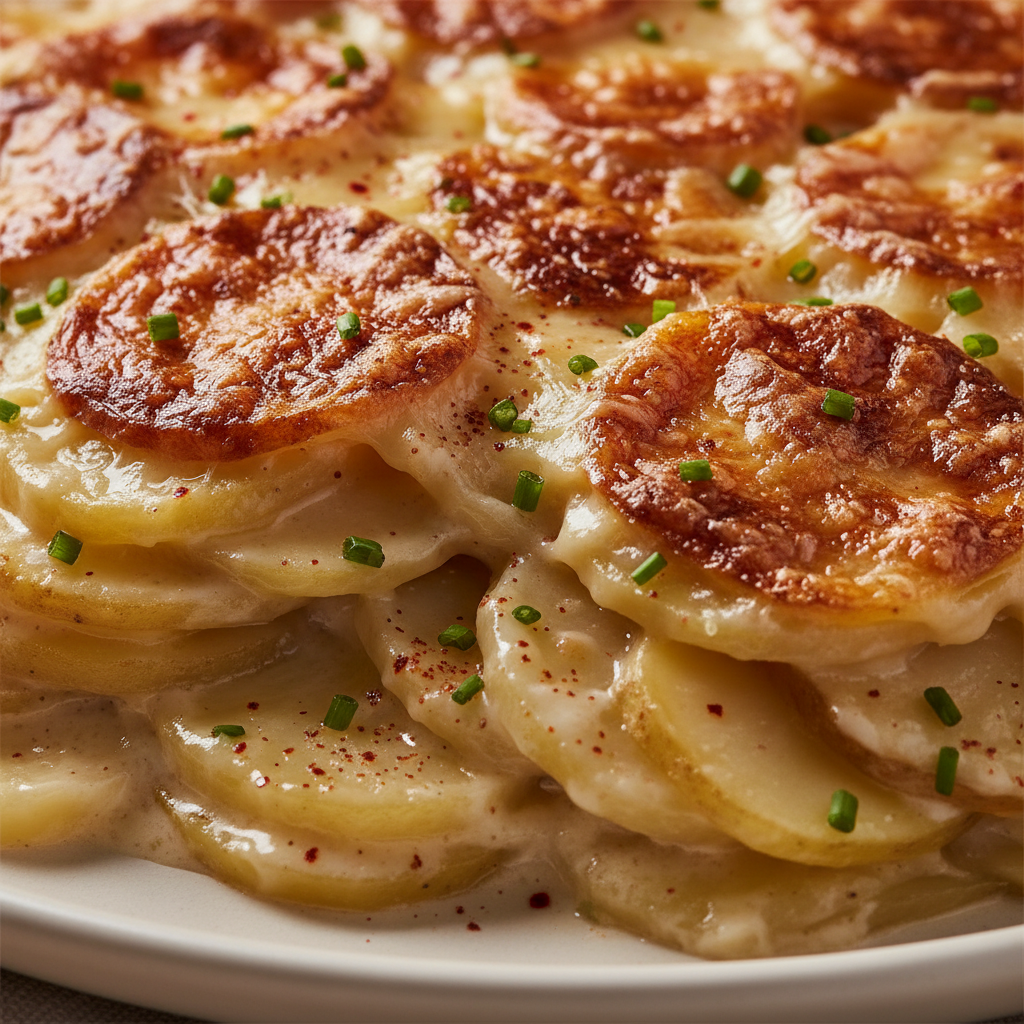
Unlock Ultra-Creamy Scalloped Potatoes: Essential Ingredient Secrets
There are few dishes as universally comforting and beloved as a pan of perfectly executed scalloped potatoes. A true holiday hero and a weeknight delight, this classic side dish promises a symphony of tender potatoes swimming in a rich, bubbly, and utterly creamy sauce. But achieving that elusive ultra-creamy texture, the kind that melts in your mouth and leaves you craving more, isn't just about following a recipe – it's about understanding the secrets held within each essential ingredient.
Forget dry, crumbly potato bakes or sauces that separate. This guide dives deep into the crucial choices and preparation techniques for your ingredients, transforming your
classic creamy scalloped potatoes from good to unforgettable.
The Foundation of Flavor: Choosing Your Potatoes Wisely
The star of the show, potatoes, dictates much of your dish's final texture. Your choice here is paramount for achieving that desired creaminess.
- Russet Potatoes: The Creaminess King
For ultimate creaminess, Russet potatoes are your best friend. They are high in starch, which breaks down during baking and naturally thickens your sauce, contributing to a wonderfully soft, almost fluffy texture. They readily absorb the creamy liquid, becoming incredibly tender. If you're solely focused on melt-in-your-mouth creaminess, Russets are the way to go.
- Yukon Gold Potatoes: For Shape and Buttery Texture
While Russets excel in creaminess, Yukon Golds offer a slightly different profile. They have a lower starch content and a waxy texture, meaning they hold their shape better during prolonged baking. They also impart a rich, buttery flavor to the dish. If you prefer your potatoes to remain slightly more defined while still being tender, Yukon Golds are an excellent choice.
- The Best of Both Worlds: A Strategic Blend
For a nuanced scalloped potato experience, consider using a 50/50 blend of Russets and Yukon Golds. This combines the starchiness of Russets for thickening and creaminess with the structural integrity and buttery notes of Yukon Golds. It's a culinary hack that delivers both incredible texture and robust flavor.
Beyond the potato type, consistency in slicing is critical. Aim for uniformly thin slices, about 1/8-inch thick. This ensures even cooking, preventing some potatoes from being crunchy while others are mushy. A mandoline slicer is an invaluable tool for achieving this precision effortlessly.
Beyond Potatoes: Savory Depth and Richness
While potatoes lay the groundwork, other foundational ingredients build the robust flavor profile:
- Onion: The Aromatic Backbone
A medium yellow or white onion adds an essential savory depth, complementing the richness of the potatoes and cream. Slice it thinly, like your potatoes, and distribute it evenly between layers for subtle, aromatic pockets of flavor.
- Butter: The Essence of Indulgence
Generosity with butter is non-negotiable for truly rich scalloped potatoes. Butter not only adds a luxurious mouthfeel but also helps carry flavors throughout the dish. Distributing small pats of butter over each layer ensures every bite is infused with its delectable richness.
- Salt and Pepper: Season Every Layer
This seemingly simple tip is paramount. Seasoning each layer of potatoes, butter, and flour with salt and freshly ground black pepper ensures the entire casserole is perfectly flavored, not just the top or bottom. This prevents bland spots and elevates the overall taste.
Unlocking the Creamy Dream: The Dairy & Thickening Secrets
The sauce is what transforms sliced potatoes into an unforgettable creamy sensation. Here's how to master it:
The Role of Flour: Your Thickening Ally
All-purpose flour is a traditional and highly effective thickener for scalloped potatoes. Instead of making a separate roux, classic recipes often call for sprinkling flour lightly over each layer of potatoes. This method ensures the sauce thickens evenly throughout the dish as it bakes, creating a cohesive, velvety consistency rather than a lumpy or watery one. Use just enough to coat lightly; too much can make the sauce gummy.
The Milk Magic: Warmth is Key!
This is perhaps the most critical secret to ultra-creamy scalloped potatoes that bake perfectly every time.
- Choosing Your Dairy:
- Whole Milk: The standard choice, providing a lovely creamy base without being overly heavy.
- Half-and-Half: For an extra boost of richness and a slightly thicker consistency.
- Heavy Cream: The ultimate indulgence, yielding the most luxurious and decadent sauce imaginable. Consider blending heavy cream with whole milk for a balanced richness.
- The Power of Warm Milk: Regardless of your dairy choice, *always warm the liquid before pouring it over your layered potatoes*. Why is this so crucial?
- Faster Baking: Cold milk significantly extends baking time as the oven needs to heat the liquid before the potatoes can truly start cooking.
- Prevents Curdling: Warming the milk gradually helps prevent it from curdling when it hits the hot potatoes and the heat of the oven.
- Even Cooking & Absorption: Warm milk promotes more even cooking and better absorption by the potatoes, leading to a consistently tender and creamy result. Potatoes won't seize up or become grainy.
- The "As Needed" Principle: The amount of milk or cream often dictates "as needed." Pour in enough warm liquid to come just even with the top layer of potatoes. This ensures all potatoes are submerged enough to cook tenderly and creates a beautiful caramelized brown crust on top as it bakes down.
Beyond the Basics: Elevating Your Scalloped Potatoes
Once you've mastered the core technique, feel free to experiment with additions that can further enhance your scalloped potatoes:
- Aromatic Herbs: Fresh rosemary or thyme sprigs, tucked between layers or finely chopped and mixed with the flour, infuse the dish with wonderful fragrance.
- A Touch of Spice: A pinch of cayenne pepper or paprika can add a subtle warmth and a hint of color without overpowering the creamy essence.
- The Cheese Question: Traditionally, scalloped potatoes are baked simply with milk or cream. However, many delicious variations incorporate cheese. If adding cheese, sprinkle shredded cheddar, Gruyère, or Monterey Jack between layers or on top. This leads to a dish often referred to as "potatoes au gratin," but many modern interpretations blend the two concepts. To understand the nuanced differences, explore our guide on Scalloped vs. Au Gratin: Uncover the Creamy Potato Difference.
- Hearty Add-ins: Diced ham or cooked bacon bits can transform scalloped potatoes into a more substantial main course or a richer side.
- Crusty Toppings: A sprinkle of bread crumbs or extra grated cheese over the top before the final bake yields a golden, crispy crust that contrasts beautifully with the creamy interior.
Mastering the Bake: Achieving Perfect Tenderness
The journey to ultra-creamy scalloped potatoes culminates in the oven. The correct baking method ensures your perfectly prepared ingredients reach their full potential.
- Consistent Slicing: As mentioned, uniform 1/8-inch slices are paramount. This allows all potatoes to cook at the same rate, preventing uncooked centers or overcooked edges.
- Layering with Care: Build your casserole by alternating thin layers of potatoes, sprinkled flour, pats of butter, and generous seasoning (salt, pepper, and any optional herbs or onion). This thoughtful layering distributes flavor and thickens the sauce evenly.
- The Right Temperature and Time: Bake your scalloped potatoes in a preheated oven at 350°F (175°C). The total baking time typically ranges from 60 to 80 minutes, but it can vary based on your dish's depth and potato thickness. The true indicator of doneness for ultra-creamy results is an internal temperature of 200°–210°F (93°–99°C). This ensures the potato starches have fully gelatinized, resulting in that desirable melt-in-your-mouth texture without being mushy.
- The Golden Crust: For the first 45-60 minutes, you might want to bake uncovered to allow the top to brown and the sauce to bubble. If it starts browning too quickly, loosely tent with foil. Remove the foil for the last 15-20 minutes to achieve a beautiful golden-brown crust.
- Crucial Resting Period: Once out of the oven, resist the urge to immediately dig in! Allow the scalloped potatoes to rest for at least 10-15 minutes. This crucial step allows the sauce to set and thicken further, preventing it from being too runny and ensuring perfect scoopable servings.
By paying meticulous attention to these ingredient secrets and baking techniques, you're not just making scalloped potatoes; you're crafting a culinary masterpiece. The reward will be a dish of unparalleled creaminess, rich flavor, and comforting warmth that will earn you rave reviews every time.