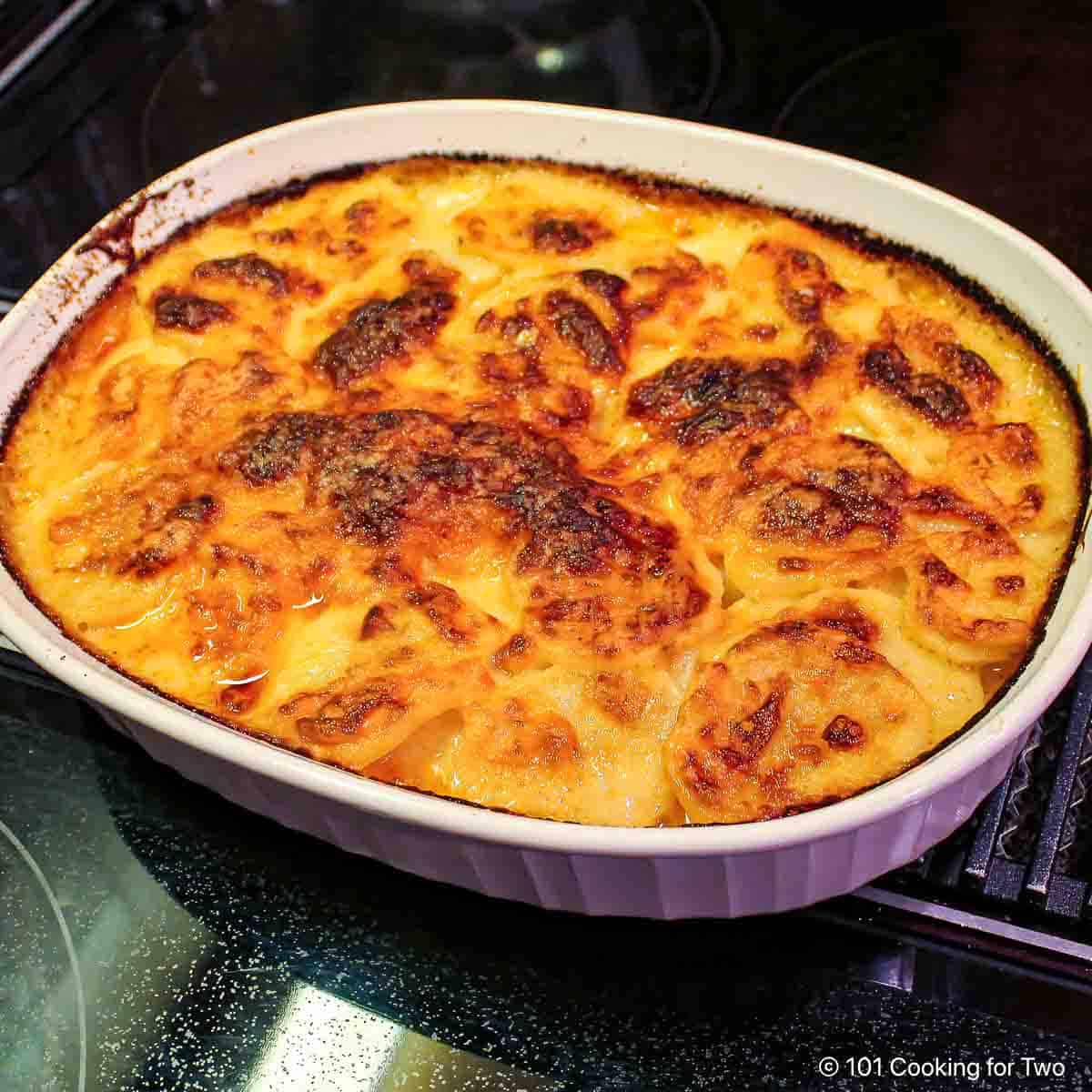
How to Make Classic Creamy Scalloped Potatoes: Expert Tips
There are few dishes that evoke the same sense of warmth, comfort, and nostalgia as a perfectly executed batch of scalloped potatoes. This timeless casserole, with its tender, thinly sliced potatoes bathed in a rich, creamy sauce and crowned with a bubbly, golden crust, is more than just a side dish—it's a culinary hug. A staple for holiday tables and Sunday dinners alike, classic scalloped potatoes recipes consistently rank as an Allrecipes favorite and a go-to for pairing with everything from baked ham and roast beef to roast chicken and pork chops.
While the concept seems simple, achieving that melt-in-your-mouth texture and balanced flavor requires a few expert techniques. Forget complicated steps or canned ingredients; the true beauty of this dish lies in its humble components and the mindful preparation that transforms them. If you've ever wondered how to replicate the creamy scalloped potatoes your grandmother made, or simply want to elevate your own version, you've come to the right place. We'll delve into the secrets behind truly exceptional homemade scalloped potatoes, offering actionable tips for success.
The Timeless Appeal of Scalloped Potatoes
What is it about classic scalloped potatoes that makes them so universally beloved? Perhaps it's the comforting simplicity of potatoes and dairy, elevated to an art form. The dish provides a creamy counterpoint to savory meats and a hearty, satisfying element to any meal. Its rich texture and delicate flavor make it a versatile companion, capable of shining alongside a festive holiday roast or grounding a weeknight family dinner.
Historically, traditional old-fashioned scalloped potatoes relied on a straightforward method: layers of thinly sliced potatoes baked in a simple milk or cream-based sauce, often thickened with a touch of flour and enriched with butter. Unlike their cheesy cousins, au gratin potatoes (a distinction worth exploring further in Scalloped vs. Au Gratin: Uncover the Creamy Potato Difference), classic scalloped potatoes prioritize the pure, unadulterated flavor of the potatoes and their creamy sauce. This "no canned soup" approach ensures a fresh, authentic taste that has stood the test of time.
Mastering the Art of Creamy Scalloped Potatoes: Essential Ingredients
The foundation of any great dish lies in its ingredients. For scalloped potatoes, a careful selection and preparation of a few key components make all the difference:
- Potatoes: The Heart of the Dish
- Russet Potatoes: These starchy potatoes are champions at releasing starch, which naturally helps to thicken your sauce, contributing to a wonderfully creamy consistency. They bake down beautifully soft and absorbent.
- Yukon Gold Potatoes: If you prefer a potato that holds its shape a bit better while still offering a buttery texture and flavor, Yukon Golds are an excellent choice. Their waxy-starchy balance prevents them from becoming too mushy.
- Expert Tip: Slice Thinly and Evenly. Regardless of your potato choice, consistency is key. Aim for slices about ⅛ inch thick. A mandoline slicer is your best friend here, ensuring uniform thickness for even cooking. If using a knife, take your time to make each slice as similar as possible.
- Onion: The Aromatic Foundation
- A medium yellow or white onion, thinly sliced or finely diced, adds a crucial savory depth to the dish. Its subtle pungency mellows beautifully during baking, infusing the creamy sauce with rich flavor.
- Flour & Butter: The Thickening & Richness Duo
- All-Purpose Flour: This is your primary thickening agent. When sprinkled over layers of potatoes, it absorbs moisture from the milk, helping the sauce to set evenly throughout the casserole.
- Butter: Generously distributed, butter adds an incomparable richness and velvety texture to the sauce. It also contributes to that delightful caramelized crust.
- Expert Tip: Building the Sauce. Some recipes opt for a quick roux (butter and flour cooked together) as a base for the sauce before layering. However, the classic method of sprinkling flour and dots of butter between potato layers works wonderfully, creating a rustic yet perfectly thickened sauce. For deeper insights into sauce perfection, explore Unlock Ultra-Creamy Scalloped Potatoes: Essential Ingredient Secrets.
- Milk: The Creamy Conductor
- Whole Milk: Recommended for its richness, whole milk forms the luxurious base of your sauce. For an even more decadent experience, consider using half-and-half or heavy cream.
- The Golden Rule: Warm the Milk First! This is perhaps the most critical tip for perfect creamy scalloped potatoes. Warming the milk (or cream) before pouring it over the layered potatoes significantly reduces baking time and helps ensure the potatoes cook through evenly and absorb the liquid for a truly creamy texture. Cold milk slows down the cooking process considerably.
- Quantity: The recipe usually calls for 3 cups or "as needed." This translates to pouring enough warm milk to come just even with the final layer of potatoes in your casserole dish. It should not submerge them completely, as the potatoes will release some moisture during baking.
- Seasonings: Elevating Flavor
- Salt and Pepper: These are your flavor enhancers. The key is to season each layer of potatoes as you build the casserole, not just the top. This ensures every bite is perfectly balanced. Don't be shy – potatoes need a good amount of salt to truly sing.
- Optional Additions: A pinch of cayenne pepper can add a subtle warmth without making the dish spicy. A dash of paprika can enhance the color. Fresh herbs like rosemary or thyme, finely minced, can introduce an aromatic complexity.
- Optional Toppings for Extra Appeal
- Bread Crumbs: A sprinkle of panko or regular bread crumbs over the top before baking adds a delightful textural contrast and ensures a crispy, golden crust.
- Grated Cheese: While classic scalloped potatoes are traditionally cheese-free, many modern variations embrace it. Shredded cheddar, Gruyère, or Monterey Jack can add another layer of flavor and a fantastic golden-brown finish.
Step-by-Step Guide to Perfect Scalloped Potatoes
With your ingredients prepped and your knowledge sharpened, let's assemble this masterpiece:
- Prepare Your Potatoes: Peel your chosen potatoes and slice them uniformly thin (⅛ inch is ideal). Pat them dry slightly to remove excess starch.
- Preheat Oven & Dish: Preheat your oven to 350°F (175°C). Lightly butter a 9x13 inch (or similarly sized) casserole dish.
- Warm the Milk: Gently heat your whole milk (or cream) in a saucepan over medium-low heat until it's warm to the touch, but not boiling. This is a non-negotiable step for optimal results.
- Layer with Precision:
- Arrange a single layer of potato slices on the bottom of your prepared dish, slightly overlapping.
- Sprinkle lightly with about one-third of your all-purpose flour.
- Dot evenly with small pieces of butter.
- Distribute a portion of your sliced or diced onions.
- Season generously with salt and freshly ground black pepper.
- Repeat these layers two more times, ensuring each potato layer is seasoned and dotted with flour and butter.
- Pour the Warm Milk: Carefully pour the warm milk over the layered potatoes until it comes just even with the top layer. The potatoes should be mostly submerged but not drowning.
- Optional Topping: If desired, sprinkle your bread crumbs or grated cheese evenly over the top layer.
- Bake to Perfection:
- Cover the casserole dish loosely with aluminum foil (this prevents the top from browning too quickly while the potatoes cook).
- Bake for 45-60 minutes, or until the potatoes are mostly tender when pierced with a fork.
- Remove the foil and continue baking for another 15-30 minutes, or until the top is beautifully golden brown and bubbly, and the potatoes are completely fork-tender. The internal temperature should register between 200-210°F (93-99°C) for that ultimate melt-in-your-mouth texture.
- Total baking time typically ranges from 60-90 minutes, depending on potato thickness and dish depth.
- Rest Before Serving: This is a crucial, often overlooked step! Once out of the oven, let your scalloped potatoes casserole rest for at least 10-15 minutes. This allows the sauce to set and the flavors to meld, ensuring perfect, creamy servings.
Expert Tips for Unforgettable Scalloped Potatoes
Beyond the steps, these insights will elevate your scalloped potatoes from good to truly extraordinary:
- The Power of Pre-Warming: Reiterate – seriously, warm that milk! It jumpstarts the cooking process and prevents the potatoes from toughening up. Cold milk can also lead to a longer, less predictable bake.
- Uniform Slicing is Non-Negotiable: Inconsistent slices will result in some potatoes being mushy while others are still firm. A mandoline is a worthwhile investment if you make this dish often.
- Season Every Layer: Don't just season the top! Each potato layer needs its own dose of salt and pepper to ensure a balanced, flavorful dish throughout. This prevents a bland interior.
- Don't Overfill with Milk: The milk should come *just* to the top layer. Too much liquid will make your dish soupy, rather than creamy. Remember, the potatoes will release some of their own moisture.
- The Resting Period is Essential: While tempting to dig in immediately, allowing the casserole to rest lets the sauce thicken and set, preventing it from collapsing when served. It also allows the flavors to deepen.
- Test for Doneness with Confidence: The "fork-tender" test is your guide. The fork should slide easily through the thickest part of the potatoes. If there's any resistance, keep baking!
- Prevent Curdling: If using a richer dairy like half-and-half or cream, ensure your oven temperature isn't excessively high, and don't let the liquid boil vigorously on the stovetop when warming. Gentle heat is best to prevent the dairy from separating.
Making classic creamy scalloped potatoes is a rewarding culinary endeavor that brings joy to any table. By understanding the role of each ingredient and applying these expert tips, you can consistently achieve a dish that is tender, rich, and utterly delicious. It's a testament to the fact that sometimes, the simplest ingredients, prepared with care and a touch of knowledge, create the most memorable and comforting meals. So go ahead, embrace the tradition, and savor every creamy, dreamy bite!
