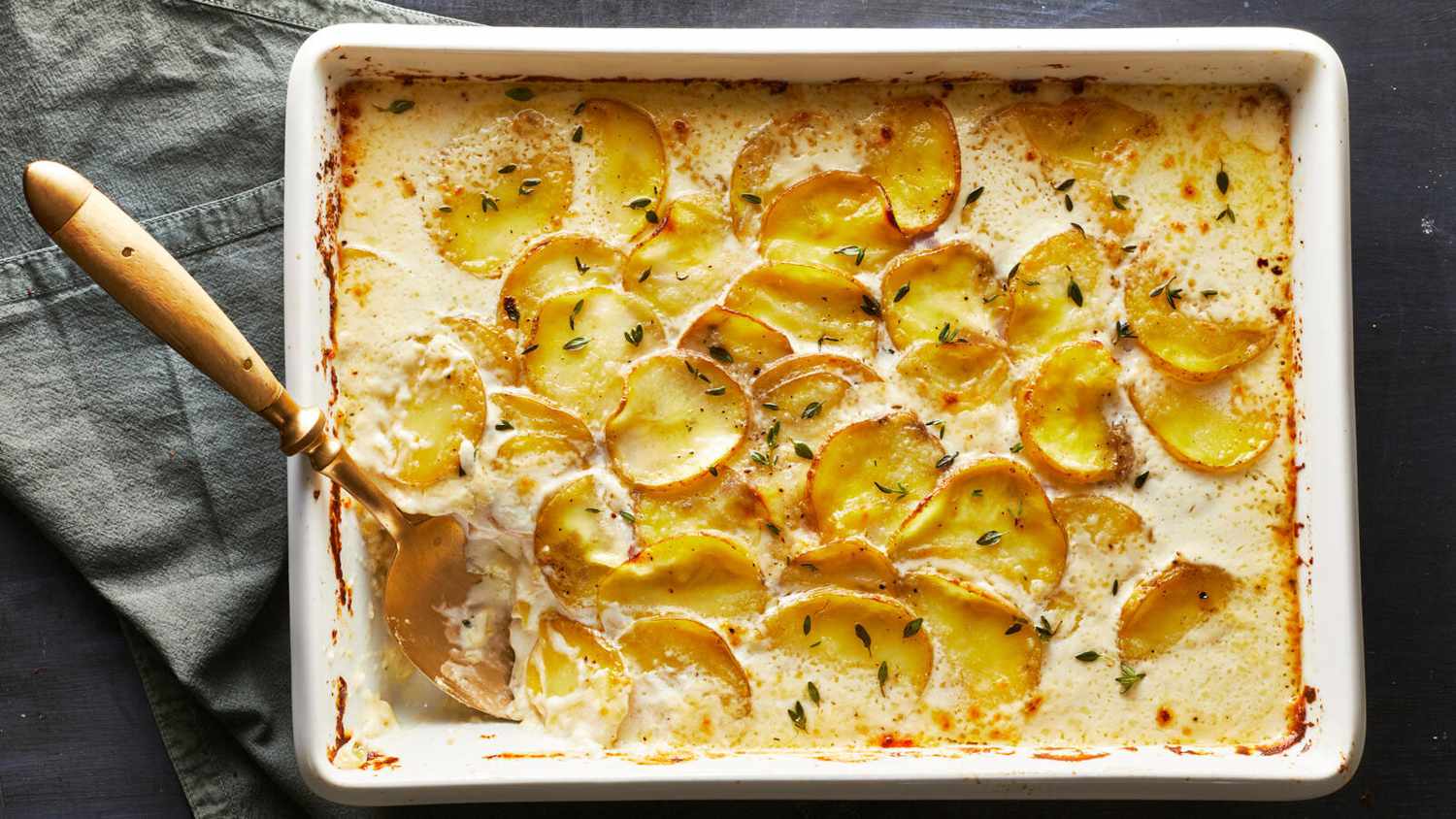
Scalloped vs. Au Gratin: Uncover the Creamy Potato Difference
Few dishes evoke the warmth and comfort of home quite like a bubbling casserole of creamy potatoes. Whether it's a holiday feast, a Sunday dinner, or a simple weeknight meal, potatoes layered in a rich sauce are a universally loved side dish. Often, the terms "scalloped potatoes" and "au gratin potatoes" are used interchangeably, leading to a delicious confusion. While both feature thinly sliced potatoes baked to tender perfection in a creamy sauce, there's a distinct difference that sets these two beloved classics apart. Understanding this subtle yet significant distinction can elevate your cooking and help you choose the perfect potato dish for any occasion.
The Heart of the Matter: Defining Scalloped vs. Au Gratin
At its core, the primary differentiator between these two creamy potato preparations lies in a single, beloved ingredient: cheese. This is the simplest way to distinguish them, though traditional recipes for each often boast unique nuances in their sauce and preparation.
Scalloped Potatoes: The Pure, Creamy Classic
Scalloped potatoes are the epitome of elegant simplicity. Traditionally, this dish features thinly sliced potatoes layered in a casserole dish and baked in a rich, milk- or cream-based sauce. The classic version, often passed down through generations, relies on a delicate balance of butter, flour, onions, salt, and pepper to create a velvety, savory sauce that envelops the tender potato slices. Crucially, classic scalloped potatoes do not include cheese.
The beauty of homemade scalloped potatoes lies in their melt-in-your-mouth texture and a sauce that gently thickens as it bakes, often forming a beautifully caramelized brown crust on top. It's a dish celebrated for its straightforward, unadulterated potato and cream flavor profile, making it a perfect, versatile accompaniment to a wide range of main courses, from succulent baked ham and robust roast beef to delicate roast chicken and juicy pork chops.
Au Gratin Potatoes: The Cheesy, Golden Cousin
The term "au gratin" literally translates from French to "with a crust" or "from the grater," and it perfectly encapsulates the essence of this dish. Au gratin potatoes take the creamy potato concept and introduce a glorious layer of melted, often bubbly, cheese. While they also feature thinly sliced potatoes and a creamy sauce, the addition of cheese is non-negotiable, typically mixed into the sauce and often sprinkled generously over the top to create that signature golden-brown, crispy crust.
Common cheeses used in au gratin potatoes include sharp cheddar, nutty Gruyere, or mild Monterey Jack, each lending its unique flavor and melting characteristics to the dish. Sometimes, breadcrumbs are also added to the top layer alongside the cheese, further enhancing the texture and forming an even more pronounced "gratin" crust.
Diving Deeper into Scalloped Potatoes: Ingredients and Techniques for Perfection
Understanding the fundamental difference is just the beginning. Mastering the art of truly unforgettable classic creamy scalloped potatoes involves a few key ingredients and techniques that make all the difference, transforming simple potatoes into a show-stopping side.
Choosing Your Spuds Wisely
- Russet Potatoes: These starchy potatoes are champions at releasing starch, which naturally helps to thicken your creamy sauce, resulting in an ultra-creamy, almost falling-apart texture.
- Yukon Gold Potatoes: If you prefer potatoes that hold their shape a bit better while still being incredibly tender and buttery, Yukon Golds are an excellent choice. Their waxy texture prevents them from disintegrating, offering a slightly firmer bite.
Regardless of your choice, aim for uniform, thin slices (about ⅛ inch) for even cooking. A mandoline slicer can be a game-changer here, ensuring consistency.
The Creamy Foundation: Building the Perfect Sauce
The sauce is the soul of ultra-creamy scalloped potatoes. Traditional recipes often start with a roux (butter and flour) to create a thick base, into which milk or cream is whisked.
- Milk Matters: While whole milk provides a rich, satisfying creaminess, you can opt for half-and-half or heavy cream for an even more decadent texture. The key is to use enough liquid – usually just enough to come up even with the final layer of potatoes – so they can simmer and tenderize properly.
- The Warming Secret: A crucial tip for success is to warm your milk or cream before pouring it over the layered potatoes. Cold liquid will significantly extend baking time and can sometimes lead to uneven cooking. Warm milk integrates better, promoting faster thickening and more consistent results.
- Thickening with Flour: Rather than relying solely on a pre-made sauce, many classic recipes call for sprinkling all-purpose flour over each layer of potatoes. This ensures the sauce thickens evenly throughout the casserole as it bakes, rather than just at the bottom.
Layering for Success and Flavor
Creating beautiful, flavorful scalloped potatoes is all about the layers. After each layer of thinly sliced potatoes, you'll want to scatter a bit of chopped onion for savory depth, dot with generous amounts of butter for richness, and, most importantly, season with salt and freshly ground black pepper. Seasoning each layer ensures every bite is flavorful, not just the top or bottom.
Baking to Golden Perfection
Baking scalloped potatoes is a patient process that yields incredible rewards. Typically, they bake at around 350°F (175°C) for 60 to 80 minutes, sometimes longer. The goal is fork-tender potatoes and a bubbly, creamy sauce. For that ideal, melt-in-your-mouth texture, aim for an internal temperature of 200°–210°F (93°–99°C). Factors like the thickness of your potato slices, the depth of your pan, and any additional ingredients (like diced ham) can influence baking time, so always check for tenderness.
Beyond the Basics: Variations and Serving Suggestions
While the traditional distinctions hold, modern culinary trends often blur the lines, with many "scalloped potato" recipes now incorporating cheese, creating a delightful hybrid. This demonstrates the versatility of both dishes. You can easily introduce variations to suit your taste:
- Herbs: Fresh rosemary or thyme sprigs tucked between layers add an aromatic touch.
- Protein: Diced ham or cooked bacon bits can turn either dish into a heartier, stand-alone meal.
- Spice: A pinch of cayenne pepper or a dusting of paprika can add a subtle kick and beautiful color.
- Crunchy Toppings: For either scalloped or au gratin potatoes, a sprinkle of breadcrumbs or an extra layer of grated cheese on top before the final bake will yield an irresistible golden, crispy crust.
Both scalloped potatoes and au gratin potatoes are quintessential comfort foods that pair beautifully with a wide array of main dishes. They are particularly fantastic alongside:
- Holiday roasts (ham, turkey, beef)
- Grilled or baked chicken
- Pork chops or loin
- Steak
- Meatloaf
Conclusion
The next time you're faced with a menu offering "scalloped potatoes" or "au gratin potatoes," you'll know the delicious secret. While both promise a comforting, creamy potato experience, the presence or absence of cheese is the definitive characteristic. Classic scalloped potatoes offer a pure, unadulterated potato-and-cream symphony, highlighting the natural flavors of its simple ingredients. Au gratin potatoes, on the other hand, bring a cheesy, often crispy, dimension that many find irresistible. Whichever you choose, both dishes are timeless culinary treasures, perfect for sharing and creating lasting memories around the dinner table. So, roll up your sleeves, slice those potatoes thin, and prepare to indulge in creamy, comforting perfection!
